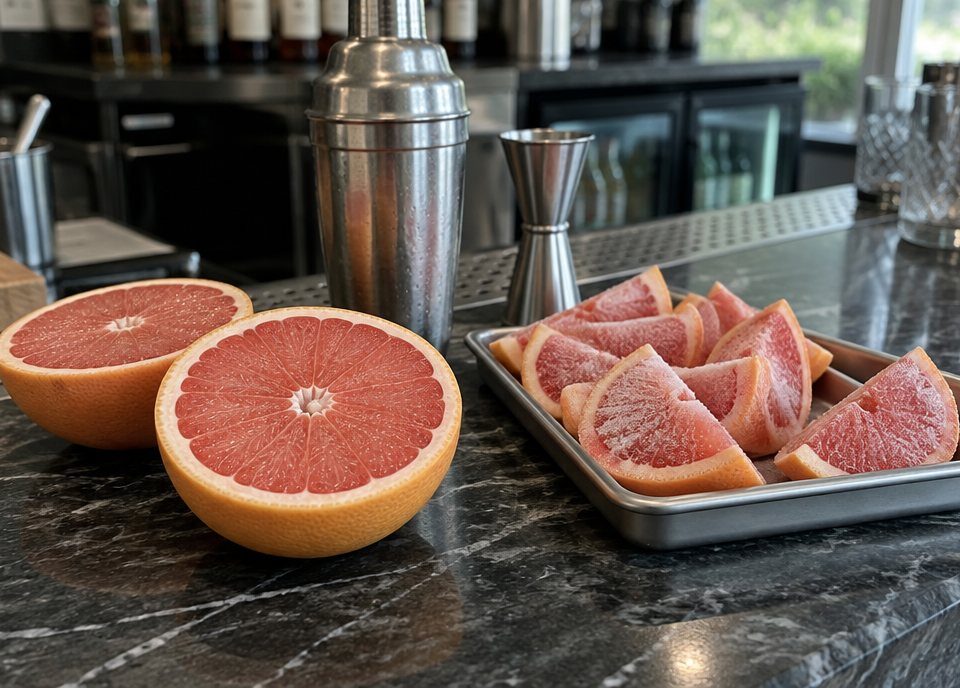





Lemon cream in tarts, lemon curd in single portions, loaf cakes and fragrant leavened products: lemon is an everyday ingredient in confectionery. On an industrial line, however, its acidity interacts with milk, eggs, starches and raising agents, and its aroma suffers from heat. Choosing lemon for industrial pastry means deciding in which form it enters the recipe and at which stage of the process.
Lemon for industrial pastry: three forms, three functions
- Frozen lemon pulp: acidity, fruit flavour and some body, for creams, curds and fillings. See our frozen lemon pulp.
- Frozen peel in cubes, strips or julienne: the aroma of the essential oils without acidity, for doughs and infusions in milk and cream.
- SO₂ cuts for candying: visible pieces in doughs and decorations, such as diced lemon peel and lemon peel julienne.
Creams and lemon curd: managing acidity
When hot and in contact with milk, lemon acidity can make the proteins curdle. That is why many creams take their aroma from zest infused in the milk, while the acidic part goes in at a later stage or into a base of eggs, sugar and butter, as in lemon curd. Starches are also affected by acidity: some lose consistency during cooking, so the technologist chooses thickeners suited to the recipe’s pH. If the product is to be frozen, freeze–thaw stability also matters, so that the cream does not release water.
Tarts: keeping the pastry crisp
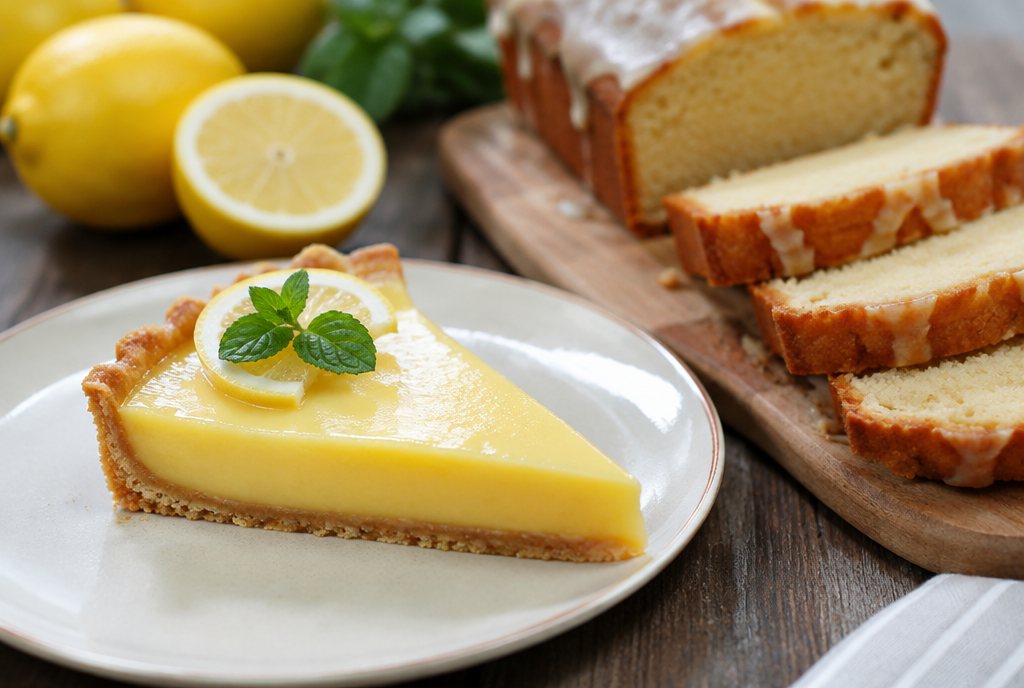
In a lemon tart the critical point is moisture: a cream rich in water tends to migrate into the shortcrust and soften it during storage. The countermeasures are well known: a well-baked base, a barrier layer such as cocoa butter, and a cream formulated with the right water activity. For decoration, candied julienne or slices finish the tart and signal the flavour at once.
Leavened and baked goods
In doughs, lemon works mainly through its aroma. Essential oils are volatile and part of them is lost during baking: frozen peel should be added in the final mixing stages and evenly distributed. In chemically leavened products such as loaf cakes and muffins, the pulp reacts with the bicarbonate: its acidity becomes part of the leavening balance and must be accounted for in the recipe. In large leavened cakes such as panettone, lemon is normally used candied, in cubes, alone or with orange.
Frozen or SO₂?
Frozen at −18 °C is the choice for creams, fillings and doughs: no desulphiting, and a taste close to fresh fruit. SO₂ product is designed for candying: it must be desulphited before use, and in the finished product sulphites above 10 mg/kg expressed as SO₂ must be declared on the label as an allergen (Regulation (EU) No 1169/2011).
What to specify in your request for quotation
- finished product and stage of use: cream, filling, dough or decoration;
- product, cut and allowed albedo;
- tolerance on seeds and foreign matter;
- preservation, packaging and annual volumes;
- post-harvest treatments, if you use the peel.
We process Calabrian lemons in San Ferdinando; parameters are set in the data sheet (see how to read the specifications of semi-processed fruit).
Frequently asked questions
Pulp or peel for a lemon cream?
Often both: peel gives aroma, pulp gives acidity and fruit flavour. The ratio depends on the style of cream and is fine-tuned with lab trials.
Will a cream made with lemon pulp withstand oven baking?
It depends on the formulation: starches, eggs and sugars determine stability. Pulp is an ingredient; bake stability comes from the recipe.
Can I use the same peel for doughs and decoration?
Frozen peel works for doughs; for glossy decorations and visible pieces, candied peel is usually preferred, made from SO₂ or frozen semi-processed product.
Need this ingredient for your production?
Tell us product, cut, preservation method and volumes: we’ll reply with the technical data sheet and a tailored quote.