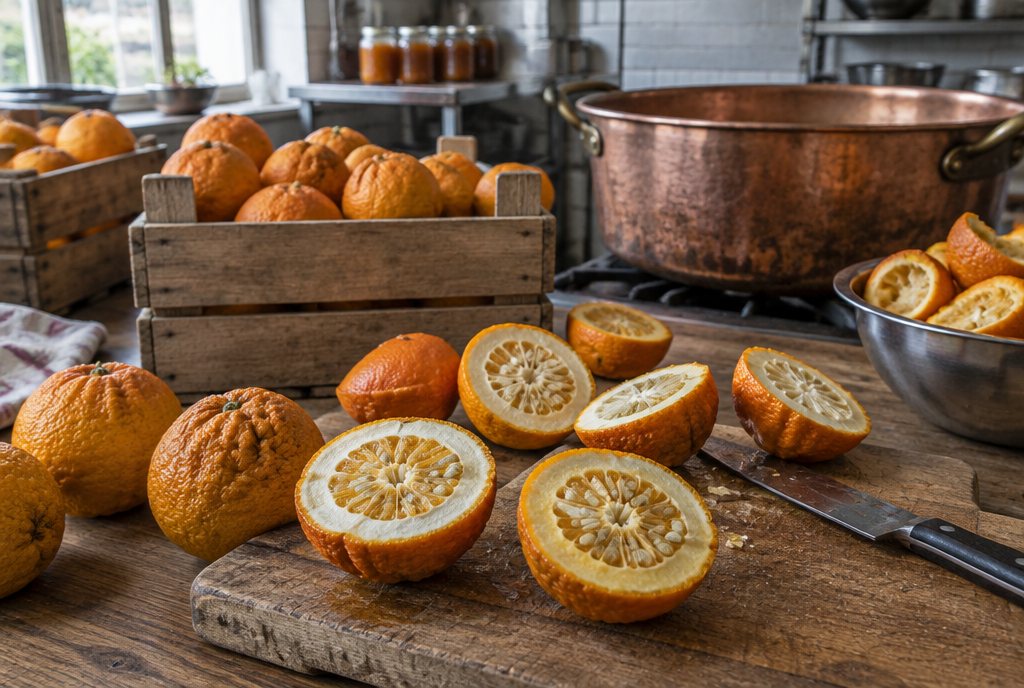





In the liqueur world, bitter orange is an ingredient of tradition: its peel is a classic botanical in amari, aperitif bitters, gin and dry-style orange liqueurs. For a liqueur producer, choosing bitter orange for liqueurs means deciding which part of the fruit to use and for what: the peel for aroma, the pulp for acidity, body and bitterness in fruit-based products.
Why bitter orange rather than sweet
Compared with sweet orange, bitter orange (Citrus aurantium) has a more intense, drier profile. The essential oils in its peel have fresh, slightly bitter notes, and the fruit is rich in bitter flavonoids: two traits that in an amaro or a bitter are not a flaw but the heart of the recipe. The same tree provides other well-known aromatic raw materials: neroli oil comes from its blossom, petitgrain from its leaves. On citrus essential oils, see also our article on mandarin and bergamot.
Bitter orange for liqueurs: where it is used
- Amari and herbal liqueurs: the peel is one of the most common citrus botanicals, often alongside bitter roots, barks and herbs.
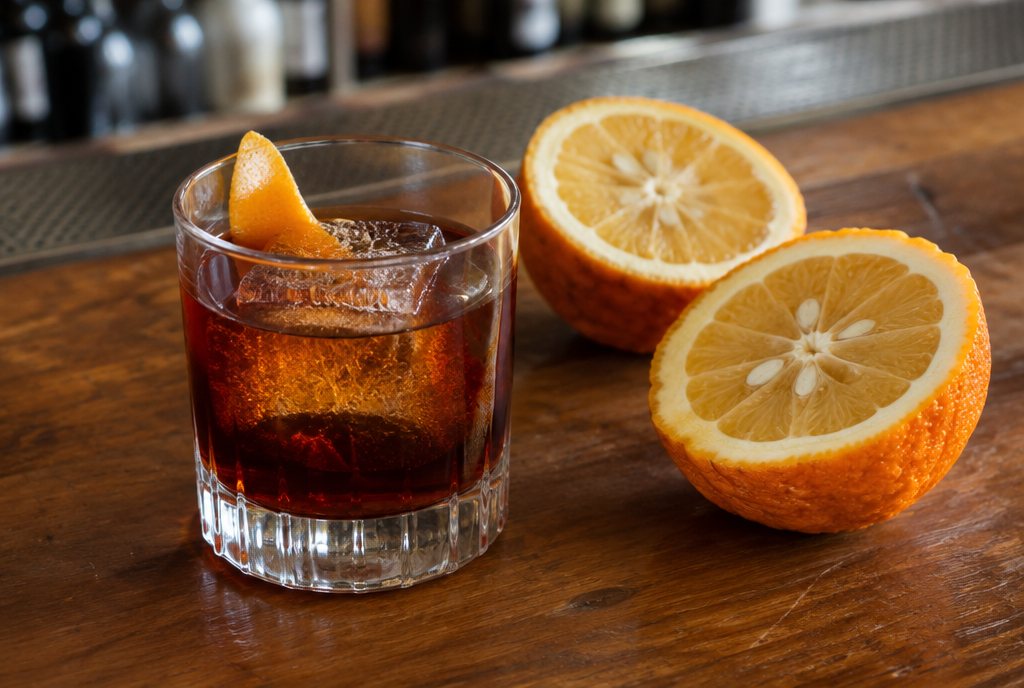
- Aperitif bitters and cocktail bitters: in the former it gives aroma and bitterness; in orange bitters, dosed in dashes, it is often the main note.
- Orange liqueurs: many traditional liqueurs, such as curaçao, are made by macerating or distilling bitter orange peel, alone or with sweet orange.
- Gin and flavoured spirits: bitter orange peel is a frequent botanical alongside juniper.
- Fruit liqueurs, creams and cocktail syrups: this is where the pulp comes in, bringing acidity, body and a recognisable bitter note.
Categories and legal names of spirit drinks are set by Regulation (EU) 2019/787.
Peel or pulp: what each brings
The general rule holds for bitter orange too: aroma lies in the flavedo, the coloured part of the peel, while the white albedo brings mostly bitterness and astringency. On how to choose the cut, preservation method and amount of pith, our guide to orange peel for liqueurs applies here as well.
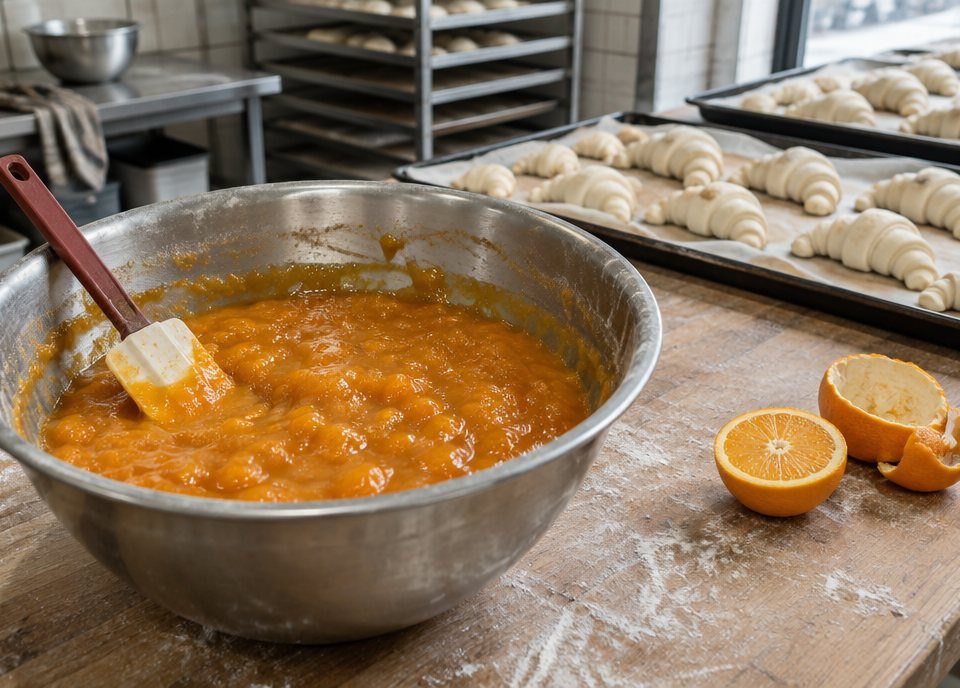
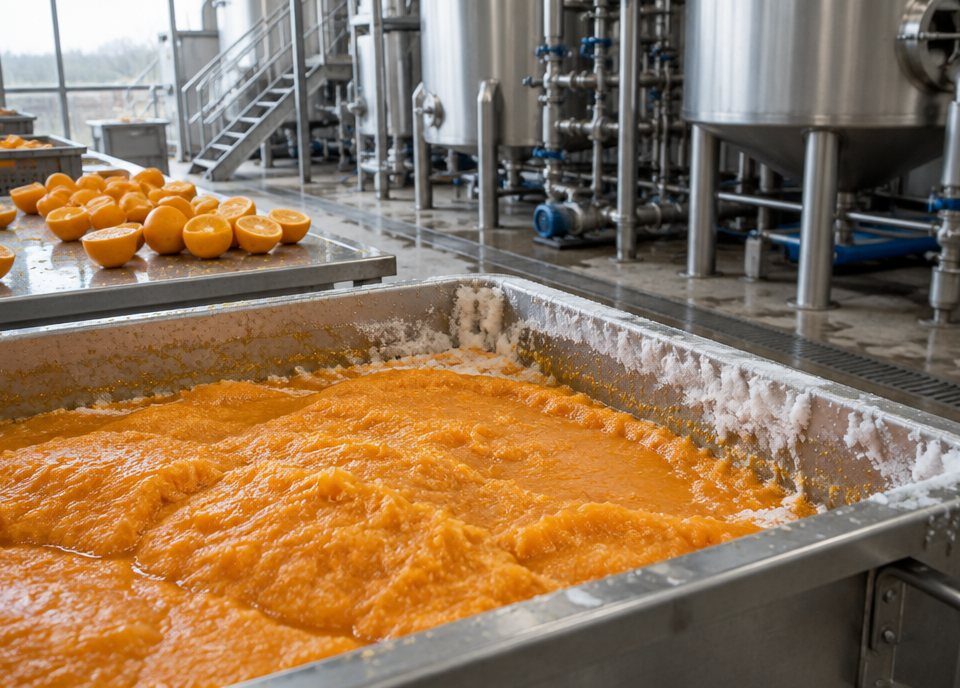
Frozen bitter orange pulp is useful instead when the product must contain fruit: fruit liqueurs and creams, cordials and syrups for mixing, ready-to-drink aperitifs. In an alcoholic infusion the pulp also releases the fruit’s water and sugars, which must be factored into the alcohol content and final sweetness.
Working with frozen pulp
- All year round: bitter orange has a short season; pulp frozen at −18 °C lets you schedule batches and macerations far from the harvest.
- Thawing: preferably under refrigeration, using the product soon afterwards; do not refreeze.
- Cloudiness: the pulp brings fibres and suspended particles. A clear liqueur needs settling and filtration; in a cream or a cordial, cloudiness may be welcome.
- Small-scale trials: doses, contact times and filtration should be validated with your technologist on small batches before production.
What to ask your supplier
- variety and origin of the fruit, with batch traceability;
- pulp composition (seeds, peel fragments, fibres);
- Brix and acidity with tolerances, set in the data sheet (see how to read it);
- information on any post-harvest treatments, if you also use the peel;
- packaging, annual volumes and collection schedule.
Frequently asked questions
Can an amaro be made with bitter orange pulp alone?
Usually not: in an amaro, bitter orange is one botanical among many and its aroma comes mainly from the peel. Pulp is better suited to fruit liqueurs, creams, cordials and syrups.
Does the pulp need desulphiting?
No: the pulp is frozen at −18 °C, so preservation relies on cold rather than SO₂. Composition and ingredients are stated in the data sheet.
Do you also supply bitter orange peel?
Our catalogue product is frozen bitter orange pulp. Peel and other cuts can be assessed on request: tell us volumes, cut and intended use.
Need this ingredient for your production?
Tell us product, cut, preservation method and volumes: we’ll reply with the technical data sheet and a tailored quote.